
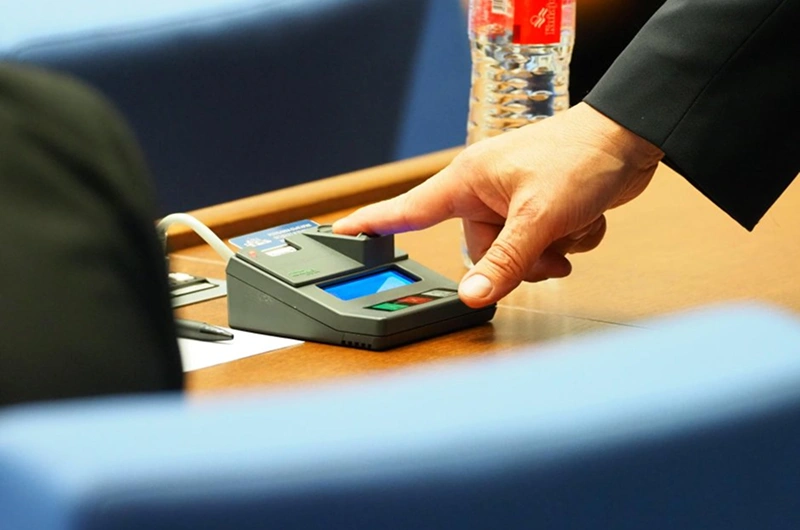
Fingerprinting and Live Scan services are often required for employment, professional licensing, background checks, immigration, and certification purposes. Understanding the process beforehand can help ensure a smooth and stress-free experience.
First, make sure you bring the correct documents to your appointment. Most Live Scan services require a valid, government-issued photo ID such as a driver’s license or passport. If your request comes from an employer or licensing agency, bring the official Live Scan request form with accurate information filled out. Missing or incorrect details can cause delays in processing.
Arriving prepared can also help avoid resubmissions. Keep your hands clean and free of cuts, heavy lotions, or excessive dryness before your appointment. Clear fingerprints are essential for accurate scanning. If your fingerprints are too faint or smudged, they may be rejected by the reviewing agency, requiring you to repeat the process.
It’s also important to verify the correct service type. Live Scan submissions are typically sent electronically to the appropriate state or federal agency, while traditional ink fingerprinting may be required for certain out-of-state or federal forms. Confirm the requirements with your requesting organization beforehand.
Processing times vary depending on the agency receiving the results. While Live Scan submissions are generally faster than traditional methods, background check completion times depend on the reviewing authority. Be sure to plan ahead if you have deadlines for employment or licensing.
Finally, double-check all personal information before submission. Even small errors in your name, date of birth, or identification number can lead to delays.
By preparing properly and understanding the requirements, you can complete your fingerprinting or Live Scan appointment efficiently and with confidence.